
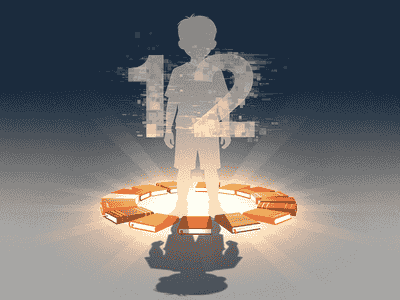
Why Boys Stop Reading at 12: The Gender Gap Crisis
Counter the “boys hate reading” narrative with data showing only 12% of 12-13-year-old boys read for pleasure daily—yet social book groups demonstrate measurable gains.
Key Takeaways
- Only 12% of boys aged 12-13 read for pleasure daily; 65% report not enjoying reading at all
- The gender gap starts at birth: 22% of boys aged 0-2 are rarely or never read to, vs 11% of girls
- Peer-led book clubs outperform traditional assignments by transforming reading into social bonding
- Low literacy costs the American economy up to $2.2 trillion annually
The Data Behind the Crisis
Here's a number that should make every parent, teacher, and policymaker spit out their coffee: only 12% of boys aged 12-13 read for pleasure daily. That's not a typo. For every classroom of twenty-five boys, maybe three are cracking open a book because they actually want to.
The conventional wisdom suggests boys simply hate reading, that it's hardwired into their DNA. But the data tells a far more damning story about how we systematically drain the joy out of books before boys even hit puberty. This isn't nature; it's a slow-motion crisis we've engineered.
The Gender Reading Gap: From Infancy Through Age 13
| Age Group | Boys | Girls |
|---|---|---|
| 0-2 years: Rarely/never read to | 22% | 11% |
| 0-2 years: Read to daily | 29% | 44% |
| 12-13 years: Read for pleasure daily | 12% | Higher |
| 12-13 years: Report no enjoyment | 65% | Lower |
The Rot Starts Early
Research reveals that 22% of boys aged 0-2 are rarely or never read to, compared to just 11% of girls. Before these kids can form sentences, we've already created a two-to-one disadvantage.
By the time they reach elementary school, that gap compounds like bad debt. Only 32% of children aged 5-10 now read for enjoyment frequently, plummeting from 55% in 2012. That's not a decline; that's a collapse.
“When books become homework with better cover art, no wonder 65% of boys aged 12-13 report they don't enjoy reading at all.”
The Long-Term Consequences
The consequences extend far beyond report cards:
- 70% of fourth graders nationwide lack reading proficiency
- Rates climb to 84% for Black students and 80% for Latino students
- Low literacy costs the American economy up to $2.2 trillion annually
- 54% of U.S. adults read below sixth-grade level
Today's disengaged twelve-year-old boy becomes tomorrow's struggling adult. The pipeline flows directly from those early years when we let reading become optional.
How Social Book Clubs Reverse the Trend
Picture this: a twelve-year-old boy who rolls his eyes at assigned reading suddenly dissecting whether a character's revenge was justified, arguing passionately with friends about loyalty and betrayal. This transformation happens not through better homework assignments but through something deceptively simple—peer-led book clubs.
Book Club Impact: Before and After 6 Months
| Metric | Before | After |
|---|---|---|
| Comfort discussing feelings | Limited to “fine” or “mad” | Uses 8-12 emotion words accurately |
| Daily reading habit | 0-5 minutes sporadic | 15+ minutes consistent |
| View of reading | Schoolwork obligation | Social activity with friends |
| Vocabulary for emotions | Basic (happy, sad, angry) | Nuanced (frustrated, conflicted, relieved) |
Why Peer Discussions Work Better Than Assignments
When boys discuss books with friends rather than teachers, something magical clicks: expressing feelings through fictional characters becomes socially acceptable, even cool.
Unlike the 29% of children who view assigned reading as just more schoolwork to endure, book club members experience reading as social currency. Suddenly, finishing that chapter means having something to contribute when your friends gather, transforming pages into status symbols rather than obligations.
What Types of Books Work
Book selection proves absolutely critical for success. Boys aged twelve to thirteen gravitate toward:
- High-action fantasy epics and adventure series
- Graphic novels where visual storytelling meets emotional complexity
- Stories with humor, mystery, or sports themes
- Books recommended by peers rather than adults
These aren't dumbed-down alternatives; they're entry points that meet boys where their interests actually live rather than where standardized curricula wish they lived.
Give Your Son a Story He'll Actually Want to Read
Create personalized adventure stories where your child is the hero. Action, excitement, and their face on every page.
Create Your First Story Free